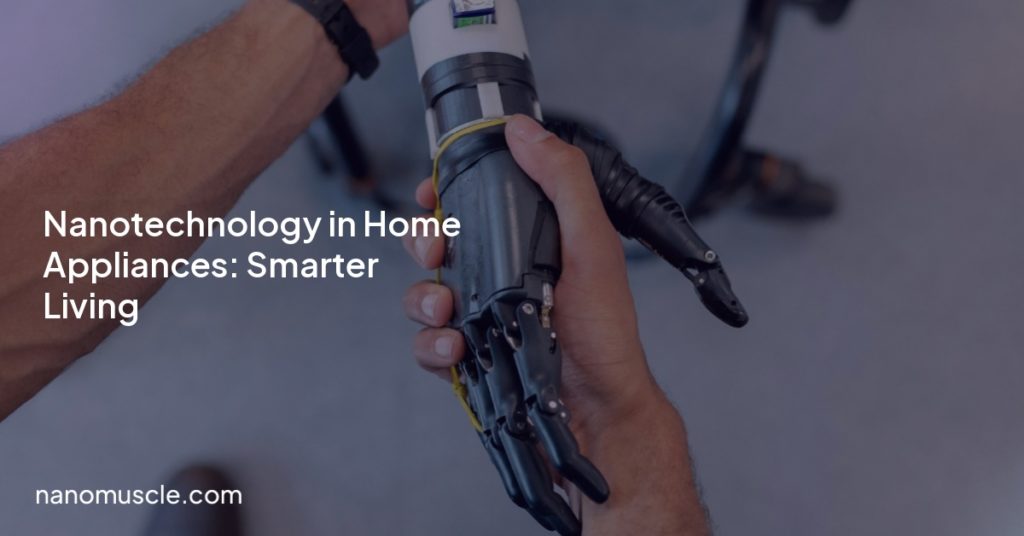
Overview of Flexible Electronics Nano-Enhancements
Flexible electronics have transformed through nano-enhancements, redefining the durability and efficiency of electronic devices.
The Concept of Nano-Enhancements
Nano-enhancements incorporate nanoscale materials like carbon nanotubes, graphene, and nanoparticles. These materials revolutionize flexible electronics by improving conductivity, flexibility, and strength in devices. For example, carbon nanotubes offer exceptional electrical properties, making them ideal for use in transistors, sensors, and displays. Graphene, known for its high mechanical strength and superior electrical conductivity, is another key material enhancing flexible electronic components.
Importance in Modern Technology
Modern technology benefits immensely from flexible electronics nano-enhancements. In healthcare, flexible sensors monitor vital signs seamlessly, improving patient care. For instance, flexible ECG sensors enable continuous monitoring without discomfort. In consumer electronics, foldable smartphones and wearable devices incorporate nano-enhancements to achieve durability and high performance. Graphene-enhanced batteries charge faster and last longer, revolutionizing energy storage. These enhancements ensure that modern devices are not only efficient but also more user-friendly and durable.
Advancements in Materials for Flexible Electronics
Flexible electronics benefit greatly from the development of advanced materials, offering higher performance and greater durability. Nano-enhancements, in particular, have been pivotal in driving these advancements.
Nanomaterials Used in Flexible Electronics
Nanomaterials like carbon nanotubes, graphene, and silver nanowires are crucial in flexible electronics. Carbon nanotubes enhance electrical conductivity, making them ideal for high-performance transistors. Graphene’s mechanical strength and flexibility make it a prime candidate for sensors and conductive films. Silver nanowires provide excellent electrical conductivity for applications in flexible displays and touch screens. These materials collectively improve device efficiency.
Comparing Conventional and Nano-Enhanced Materials
Conventional materials, such as silicon and copper, often face limitations in flexibility and durability. Silicon is brittle, making it unsuitable for highly flexible applications. Copper, while a good conductor, lacks the flexibility required for intricate designs. In contrast, nano-enhanced materials, like graphene and carbon nanotubes, offer superior flexibility, strength, and conductivity. Devices using these materials exhibit enhanced longevity and performance, establishing a clear advantage over traditional counterparts.
Applications of Nano-Enhanced Flexible Electronics
Nano-enhanced flexible electronics unlock a myriad of applications across various fields. These advancements hold particular promise for wearable technology and health monitoring devices.
Wearable Technology
Nano-enhancements make wearable technology more robust and efficient. Incorporating materials like graphene and silver nanowires into smartwatches and fitness trackers improves their flexibility and durability. These materials enhance conductivity, enabling more accurate sensors and longer battery life. For example, nano-enhanced smart textiles can monitor vital signs seamlessly, providing real-time data without compromising comfort.
Health Monitoring Devices
Nano-enhanced flexible electronics revolutionize health monitoring devices. Ingestible sensors and skin patches use carbon nanotubes and other nanomaterials to provide continuous health monitoring. These devices outperform traditional sensors by offering improved sensitivity and biocompatibility. For instance, nano-enhanced glucose monitors deliver precise measurements, enabling better diabetes management. Additionally, flexible nano-biosensors can detect early signs of diseases, improving patient outcomes through timely interventions.
Challenges and Opportunities
Flexible electronics with nano-enhancements present both significant challenges and promising opportunities. Advancements in this field demand careful consideration and strategic planning.
Technical Challenges in Production
Production of nano-enhanced flexible electronics involves multiple technical challenges. Precision control for nanomaterial deposition remains critical. Ensuring uniform dispersion of nanomaterials like graphene and carbon nanotubes ensures optimal performance. Manufacturing processes must maintain the quality and consistency of nanomaterials during large-scale production to prevent defects.
Scalability of production methods presents another major obstacle. Current techniques often require intricate procedures, making mass production difficult. Integration of nanomaterials with existing flexible substrates like plastics and polymers must occur without compromising material integrity. This integration process often demands specialized equipment and controlled environments, adding further complexity and cost.
Future Trends and Market Opportunities
Future trends point toward increased adoption of flexible electronics in various sectors. The healthcare industry benefits from advanced health monitoring devices with enhanced sensitivity and durability. Consumer electronics see growth in wearable technology, offering more flexible, durable, and efficient products.
Market opportunities arise from ongoing research and development. Advanced nanomaterials open new possibilities for flexible electronics by enhancing properties like conductivity and strength. Wearable devices, healthcare sensors, and flexible displays are among the primary beneficiaries, leading to innovations in smart textiles and next-generation health monitoring systems.
Strategic investments and partnerships support growth in this field. Companies aligning with research institutions can leverage cutting-edge technologies to stay competitive. Governments offering grants and subsidies further stimulate advancements, creating a fertile environment for breakthroughs.
Enhancements in flexible electronics with nanomaterials ensure a promising future filled with innovation and expansion, despite inherent production challenges.
Conclusion
Flexible electronics with nano-enhancements are revolutionizing various industries by offering improved durability, efficiency, and versatility. The integration of nanomaterials like carbon nanotubes, graphene, and silver nanowires is setting new standards in device performance and longevity. These advancements are particularly impactful in healthcare and consumer electronics, where enhanced flexibility and sensor accuracy are crucial.
Despite the technical challenges in production, the future of flexible electronics is promising. Ongoing research and strategic investments are paving the way for broader adoption and innovation. As companies align with research institutions and receive governmental support, the market opportunities will continue to expand.
Ultimately, flexible electronics enriched with nanomaterials are not just a trend but a significant leap forward. They hold the potential to transform our daily lives and industries, making the future of technology more adaptable and resilient.

- Miniature Right Angle Planetary Gearboxes for Advanced Robotics - February 15, 2026
- RabbitMQ Monitoring Dashboards: Optimize Microservices Performance - January 12, 2026
- Nanotechnology’s Impact on the Nuclear Sector - February 7, 2025