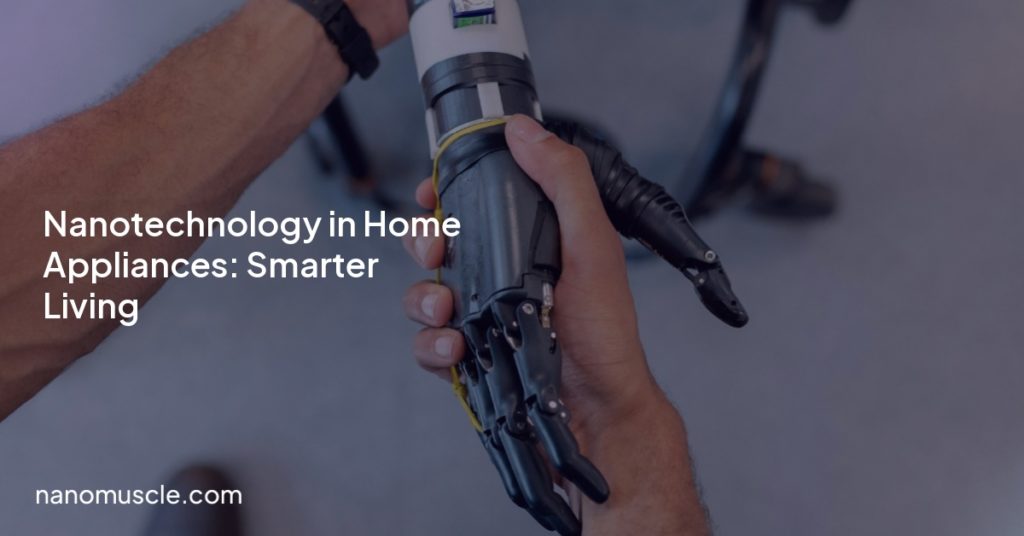
The Intersection of Robotics and Nanotechnology
Advanced robotics combined with nanotechnology creates a powerful synergy. This partnership leads to breakthroughs in multiple fields, enhancing the capabilities and impact of both technologies.
The Evolution of Robotics
Robotics has evolved rapidly over the past few decades. From simple automated machines to sophisticated robots with advanced AI, the progress is remarkable. Initially, robots operated on repetitive tasks in manufacturing. Now they perform complex operations, including intricate surgeries and autonomous transportation. Advances in AI and machine learning enable robots to learn, adapt, and make decisions. Incorporating nanotechnology, robots can be miniaturized to perform tasks at a cellular level, expanding their applications further. For example, nanorobots navigate the bloodstream to deliver targeted drug therapies.
Key Nanotechnology Innovations
Nanotechnology contributes several innovations to robotics. First, nanomaterials enhance the strength, flexibility, and conductivity of robotic components. Graphene, a nanomaterial known for its incredible strength and conductivity, improves the efficiency of robot sensors and circuits. Second, nanoscale fabrication techniques allow for the creation of extremely small and precise parts. This precision enables the development of nanorobots capable of interacting with biological cells and molecules. Third, quantum dots and nanowires improve the sensitivity and accuracy of robotic sensors, leading to enhanced data collection and analysis. These innovations enable robots to perform tasks with unprecedented precision and efficiency.
| Innovation | Impact on Robotics |
|---|---|
| Nanomaterials | Enhanced strength, flexibility, conductivity |
| Nanoscale Fabrication | Precise, small parts for detailed tasks |
| Quantum Dots, Nanowires | Improved sensor sensitivity and accuracy |
Combining these innovations with advanced robotics leads to more effective and versatile robotic systems. This intersection drives technological advancements that revolutionize fields from medicine to manufacturing.
Applications in Various Industries
Advanced robotics combined with nanotechnology is transforming numerous sectors. This synergy provides groundbreaking solutions that enhance efficiency and precision.
Healthcare Applications
In healthcare, advanced robotics with nanotechnology offers unprecedented capabilities. Nanorobots can perform targeted drug delivery, reducing side effects and improving patient outcomes. Surgical robots, equipped with nanoscale tools, enable precise procedures on a cellular level. These innovations improve success rates in complex surgeries and diagnostics. Diagnostics and imaging benefit greatly, as nanoparticles enhance contrast and resolution in imaging techniques like MRIs and CT scans. Gene therapy also sees advancements, with nanorobots delivering genetic material directly to specific cells.
Manufacturing and Automation
In manufacturing and automation, the integration of these technologies boosts productivity and precision. Robots with nanoscale precision can manipulate materials at the atomic level, leading to improved product quality and reduced waste. Nanosensors in manufacturing environments enhance process control by providing real-time monitoring of production variables. Smart materials, enabled by nanotechnology, allow robots to adapt their properties based on environmental conditions. This adaptability leads to more efficient and versatile manufacturing processes. Enhanced automation systems, utilizing nanoscale components, achieve higher speeds and accuracy in assembly lines and production facilities.
Beyond robotics, nanotechnology is reshaping how manufacturers approach 3D printing, introducing nanocomposite materials that deliver exceptional strength, conductivity, and thermal resistance at the point of fabrication. By embedding nanoparticles — such as carbon nanotubes or graphene — directly into printing feedstocks, engineers can produce components with properties that traditional additive manufacturing simply cannot achieve. This convergence of nano-innovations and additive techniques represents a significant frontier, and nanotechnology in 3D printing applications continues to expand across aerospace, medical, and consumer industries, reinforcing the broader transformative potential we see throughout advanced manufacturing today.
The transformative impact of advanced robotics and nanotechnology is evident in these industries, driving innovation and efficiency.
Advancements in Miniaturization
Advancements in miniaturization are redefining the capabilities of robotics with nanotechnology. They allow us to create smaller, more efficient robots that perform intricate tasks with unprecedented precision.
One solution gaining traction in compact robotic systems is the use of miniature right-angle planetary gearboxes, which allow engineers to redirect torque efficiently within an extremely small footprint. These mechanisms pack high gear reduction ratios into configurations that conventional gearboxes simply cannot match at reduced scales, making them particularly valuable where space constraints and output precision are equally critical. As we move into the specific engineering challenges of miniaturization, understanding how drivetrain components like these are adapted becomes essential to appreciating the full scope of the problem.
Design and Build Challenges
Designing and building miniaturized robots pose significant challenges. Engineers face difficulties in scaling down components while maintaining functionality. Creating power sources for these minuscule robots requires innovative solutions, as traditional batteries are too large. Fabrication techniques like photolithography are essential but need optimization for nanoscale production. Integrating components at such a small scale demands precision to avoid issues in assembly and operation.
Future Potential and Miniaturization
Future potential in miniaturization promises revolutionary changes. Nanorobots could revolutionize healthcare by performing targeted drug deliveries, gene therapy, and cellular repairs. In manufacturing, micro-robots could handle tasks in confined spaces where traditional robots cannot operate. Research in materials science, specifically in developing stronger, lighter nanomaterials, will drive further advancements, enabling more sophisticated and versatile robotic systems.
Ethical and Regulatory Considerations
Advanced robotics with nanotechnology brings transformative potential, but it also raises critical ethical and regulatory issues we must address.
Privacy and Security Concerns
Nanorobots and advanced robotics systems can access and manipulate sensitive biological data. This capability necessitates strict privacy measures to protect individuals’ data from unauthorized access. For instance, patient data collected by medical nanorobots during treatments must remain confidential to prevent misuse. Additionally, ensuring the security of these systems is paramount, as cyberattacks on medical robots could result in severe consequences. Robust encryption and rigorous security protocols need implementation to safeguard against potential breaches.
Legal Frameworks and Standards
The integration of nanotechnology in robotics requires comprehensive legal frameworks. Current regulations often lag behind rapid technological advancements, creating gaps in governance. We need updated policies that clearly define the ethical boundaries and usage rights of nanotechnology-enhanced robotics. Standards should address issues like patient consent, data ownership, and liability in case of malfunctions. International cooperation is crucial to develop universally accepted norms and ensure safe, ethical deployment of these technologies across borders.
Regulatory bodies must adapt and evolve to keep pace with advancements, balancing innovation and public safety.
Conclusion
Our journey into the realm of advanced robotics with nanotechnology reveals an exciting frontier where innovation meets precision. This fusion promises groundbreaking advancements across industries, particularly in healthcare and manufacturing. While the potential is immense, we must navigate the accompanying challenges thoughtfully. By addressing ethical and regulatory concerns, we can ensure these technologies benefit society responsibly. As we continue to explore and develop these cutting-edge solutions, the balance between innovation and public safety will remain paramount. Together, we can harness the power of advanced robotics and nanotechnology to create a brighter, more efficient future.

- Robot Gearbox Fundamentals: How Precision Reduction Shapes Modern Automation - July 1, 2026
- GxP Compliance in Pharma: How Emerging Technologies Are Reshaping Validation and Quality Control - June 30, 2026
- distributed Acoustic Sensing: The Nano-Scale Technology Transforming Industrial Monitoring - April 14, 2026