Since the first photovoltaic experiment in 1839, science has been aware that it is possible to convert light into electricity. As a result, many people are developing hope that soon they will never have to pay for electricity, again. Solar panels (SPs) offer more than hope, they are being used in practical applications for both household use, and in commercial installations.
Not only are governments around the world offering financial participation in converting to this ‘free’ energy source, but many organizations and foundations are being set up to help homeowners finance their own installations. As the price of these units continues to drop, there are more families enjoying the benefits of the photovoltaic process.
Many people are not aware that nanotechnology has accidentally caused an advancement in SPs. While conducting an experiment on bending light rays, they accidentally discovered a material which collects light from all directions. When this finding was applied to photovoltaics, it produced a cell that is 97% efficient.
With the continued development of such materials there could soon be new construction products which will line the outsides of homes and office buildings with a material that converts any light into electricity, 24 hours day. It will no longer be necessary to have devices pointed directly at the sun, in order to receive the greatest amount of conversion efficiency.
The computer industry continues to develop improvements of silicon devices which in turn, provide greater efficiency for inverters and the use of DC power conversion. Those improved components are being used in home units to help make it more affordable to convert the entire property to SP, and even feed the excess back to the local supplier of electricity.
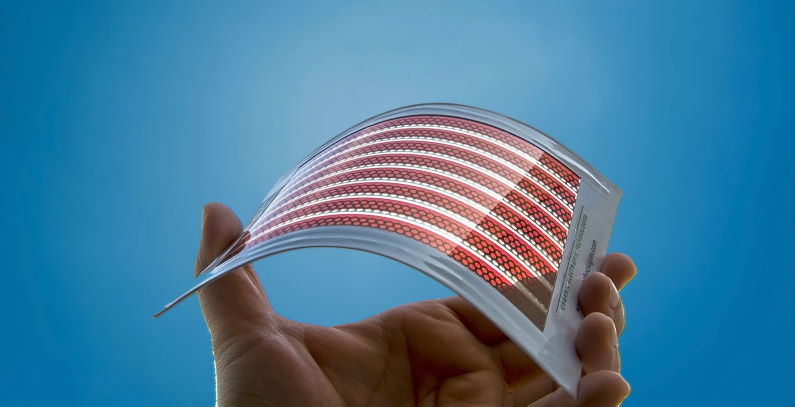
Some of the household products which are in use include free-standing exterior lighting devices for walk ways. There are roll up sheets of photo cells which can be plugged into a laptop computer for recharging, and the USB port of the computer can sufficiently power a small mobile printer. RV and car batteries are being charged and maintained by this energy source, as are the entire unit of DC powered RVs.
With the continued increase in the cost of electricity, more people are finding alternatives to heat their homes, and provide hot water. They are also finding this alternative power source to be more attractive with each electric bill. Through financial assistance, many homeowners are finding the means to cover the cost involved in obtaining their electricity through solar panels.

- Miniature Right Angle Planetary Gearboxes for Advanced Robotics - February 15, 2026
- RabbitMQ Monitoring Dashboards: Optimize Microservices Performance - January 12, 2026
- Nanotechnology’s Impact on the Nuclear Sector - February 7, 2025