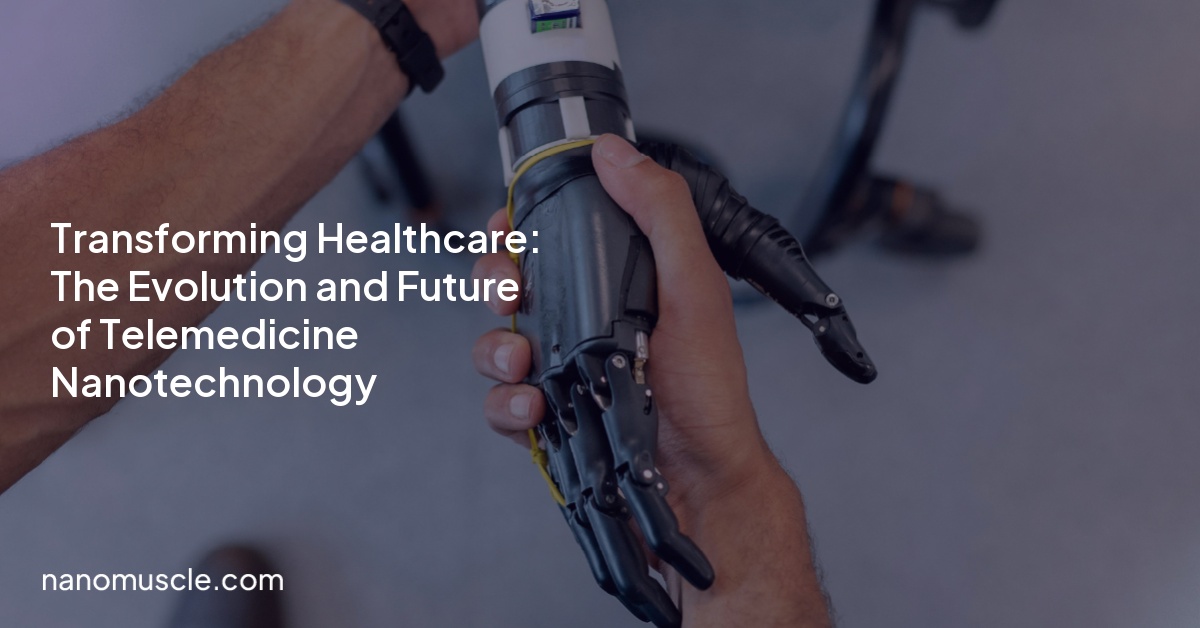
Telemedicine nanotechnology has transformed healthcare by combining remote medical services with advanced nanoscale devices.
Historical Development
The concept of telemedicine dates back to the early 20th century when radio was used for medical consultations. The integration of nanotechnology began in the 1980s with advancements in molecular biology and material science. Researchers explored nanoscale materials for drug delivery and diagnostic tools. By the late 1990s, the convergence of digital technology and nano-engineering laid the groundwork for telemedicine applications.
2000s – Introduction of nanorobots for medical diagnostics and treatment. Researchers developed nano-coatings to detect biomarkers in the bloodstream.
2010s – Emergence of nanosensors capable of real-time health monitoring. These devices provided continuous glucose monitoring for diabetes management and blood pressure tracking.
2020s – Integration of AI with nanotechnology. Smart nanosensors combined with machine learning offered predictive analytics for disease prevention and personalized healthcare.
These milestones showcase the rapid evolution of telemedicine nanotechnology, enhancing our ability to deliver remote, precise, and efficient medical care.
Core Technologies in Telemedicine Nanotechnology
Telemedicine nanotechnology relies on several core technologies to enhance remote medical services. Key components include nanosensors, diagnostic tools, and remote drug delivery systems.
Nanosensors and Diagnostic Tools
Nanosensors detect and analyze biological markers at a molecular level. They can identify diseases early, leading to timely interventions. For example, glucose nanosensors help manage diabetes by monitoring blood sugar levels. Wearable nanosensors provide continuous health monitoring, transmitting data to healthcare providers for real-time analysis. By using nanoscale materials, these devices offer high sensitivity and specificity. Diagnostic tools equipped with nanosensors enable rapid, accurate detection of pathogens, improving disease management and patient outcomes.
Remote Drug Delivery Systems
Remote drug delivery systems transport medication to specific body sites. These systems use nanocarriers to navigate through the bloodstream. For instance, liposomes deliver chemotherapy drugs directly to cancer cells, reducing side effects. Remote-triggered nanocarriers release medication at controlled times, enhancing treatment precision. Smart drug delivery combines nanotechnology with IoT devices, allowing healthcare professionals to adjust treatment plans remotely. This technology ensures patients receive precise medication dosages, improving therapeutic efficacy and reducing hospital visits.
Benefits of Telemedicine Nanotechnology
Telemedicine nanotechnology offers numerous advancements in healthcare. It’s revolutionized diagnostics, patient management, and overall healthcare delivery.
Enhancing Diagnostic Accuracy
Telemedicine nanotechnology improves diagnostic accuracy by enabling highly sensitive and specific detection of diseases. Nanosensors detect molecular changes at early stages, allowing us to identify illnesses before symptoms appear. For example, nanosensors in wearable devices can track biomarkers related to chronic diseases like diabetes and cardiovascular conditions. This data enables timely and precise diagnosis, reducing the risk of advanced disease progression. Additionally, nanobots can navigate the bloodstream to perform in vivo diagnostics, providing unparalleled insights into cellular and molecular processes. The precision of these tools ensures accurate, timely diagnosis, significantly improving patient outcomes.
Improving Patient Management
Telemedicine nanotechnology enhances patient management by offering real-time health monitoring and personalized treatment options. Nanosensors continuously monitor vital signs and other health indicators, sending data directly to healthcare providers. This constant flow of information helps us manage chronic conditions, adapt treatment plans, and foresee potential health issues. For instance, smart implants can release medication in response to real-time physiological data, ensuring optimal dosing and reducing side effects. Remote drug delivery systems controlled via telemedicine platforms allow us to administer precise medications to patients anytime, anywhere. These innovations streamline patient management, making healthcare more efficient and customized to individual needs.
Challenges and Ethical Considerations
Telemedicine nanotechnology offers significant advancements, but it also presents notable challenges and ethical concerns.
Privacy and Security Issues
Patient data security is critical. Nanotechnology devices collect sensitive health data, which increases the risk of breaches. Encryption is essential for data transmission. We need robust cybersecurity measures. Device authentication and secure data storage mitigate risks. Monitoring systems detect and counteract security threats.
Regulatory and Ethical Hurdles
Regulating telemedicine nanotechnology is complex. Nanotechnology needs specific standards due to its novel nature. We must ensure these technologies meet safety, efficacy, and ethical standards. Regulatory bodies need clear guidelines. Ethical considerations include informed consent and data usage. Patients must understand how their data’s used and the implications of treatment with nanotechnologies. Clear policies guard against misuse and ensure patient autonomy.
Future of Telemedicine Nanotechnology
Telemedicine nanotechnology holds immense promise, driving transformative change in healthcare. Key developments and trends indicate significant breakthroughs on the horizon.
Research Trends and Potential Breakthroughs
The field of telemedicine nanotechnology is witnessing rapid advances. Researchers are developing more precise nanosensors capable of detecting biomarkers at early disease stages, enhancing early diagnosis and personalized treatment. Innovations in nanoparticle-based drug delivery systems enable targeted therapies, reducing side effects and improving patient outcomes. Smart nanomaterials integrated with AI provide real-time health monitoring, data analysis, and predictive analytics, revolutionizing personalized medicine.
Conclusion
Telemedicine nanotechnology is revolutionizing healthcare by merging cutting-edge advancements in nanotechnology with digital health solutions. This fusion is paving the way for more precise diagnostics, targeted treatments, and personalized care. As we move forward, the potential for even greater breakthroughs is immense.
However, we must address challenges like privacy concerns, cybersecurity, and regulatory issues to ensure these innovations are safe and ethical. By establishing clear guidelines and robust data policies, we can harness the full potential of telemedicine nanotechnology, ultimately transforming healthcare for the better.
Sarah Jennings is a renowned expert in nanotechnology applications, with over 15 years of experience in pioneering research and development. Holding a Ph.D. in Nanoscience from MIT, she has been instrumental in advancing the field through her innovative work. As a leading voice in nanotech applications, Dr. Jennings has contributed to groundbreaking projects in renewable energy, medical advancements, and sustainable technologies. Her passion for integrating science with practical solutions shines through in her numerous publications and talks.